
Key takeaways from Edge 2026: Make Equity Work London Summit
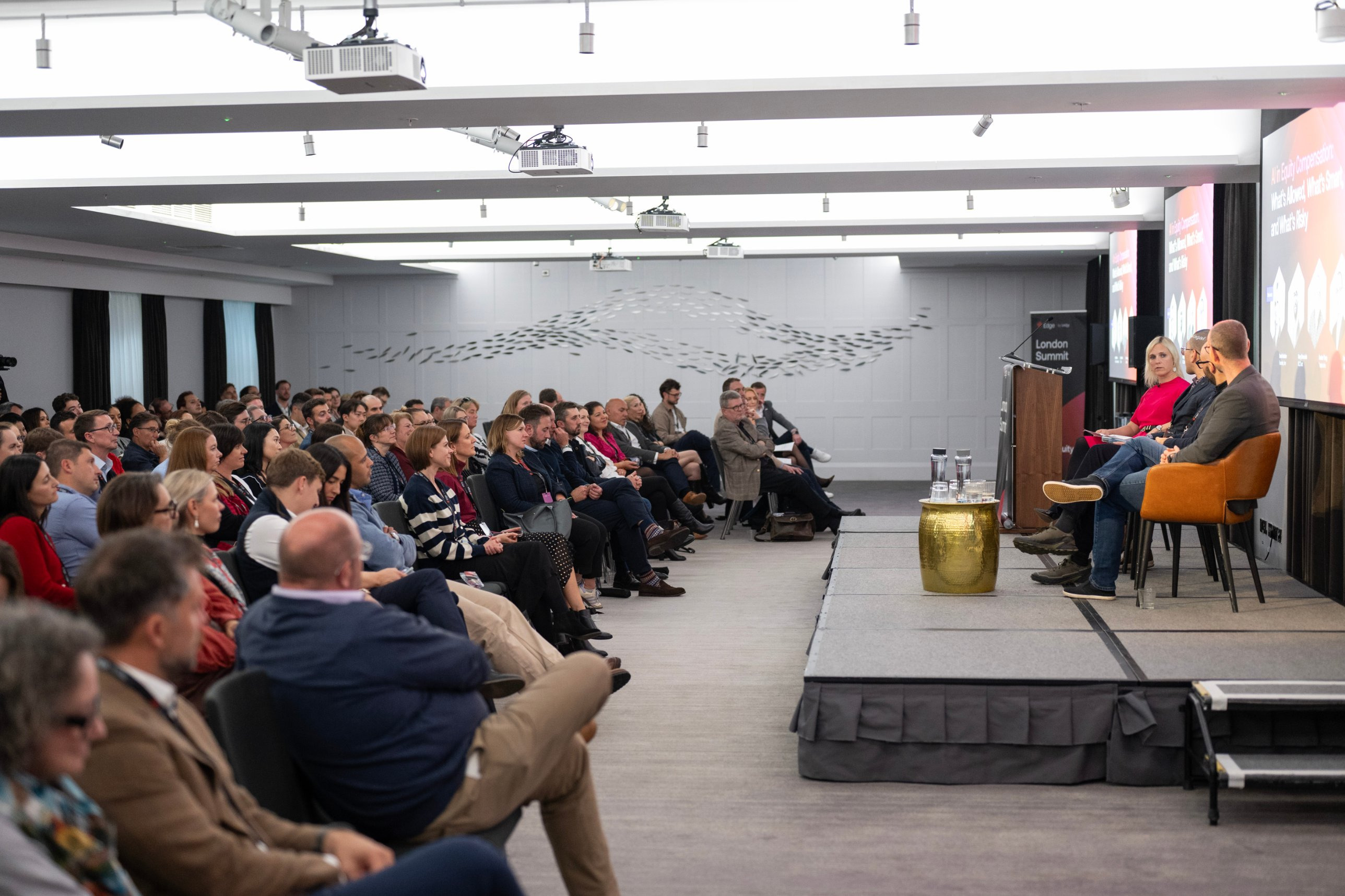


On Wednesday 21 October, Ledgy brought together equity, reward, legal, and finance leaders at London’s County Hall for Edge: Make Equity Work London Summit, our flagship event for the people who design and run equity plans.
At Ledgy, our mission is to inspire and empower teams globally through ownership. But making equity work in practice can be incredibly complex. From designing and communicating plans to navigating transactions, regulation and changing employee expectations, the decisions equity teams make can have a real impact on both companies and their people.
Edge brings together the people responsible for making those decisions for an afternoon of honest conversations about the challenges companies are navigating today. This year’s agenda covered some of the biggest questions facing equity and reward teams, from AI in equity compensation and transaction readiness to private-market liquidity, PISCES and incentive design for public and listed companies.
Here’s what we heard.
GoHenry's equity journey
We opened the day with Louise Hill, co-founder of GoHenry, looking back at how the company's approach to equity has evolved alongside its growth.
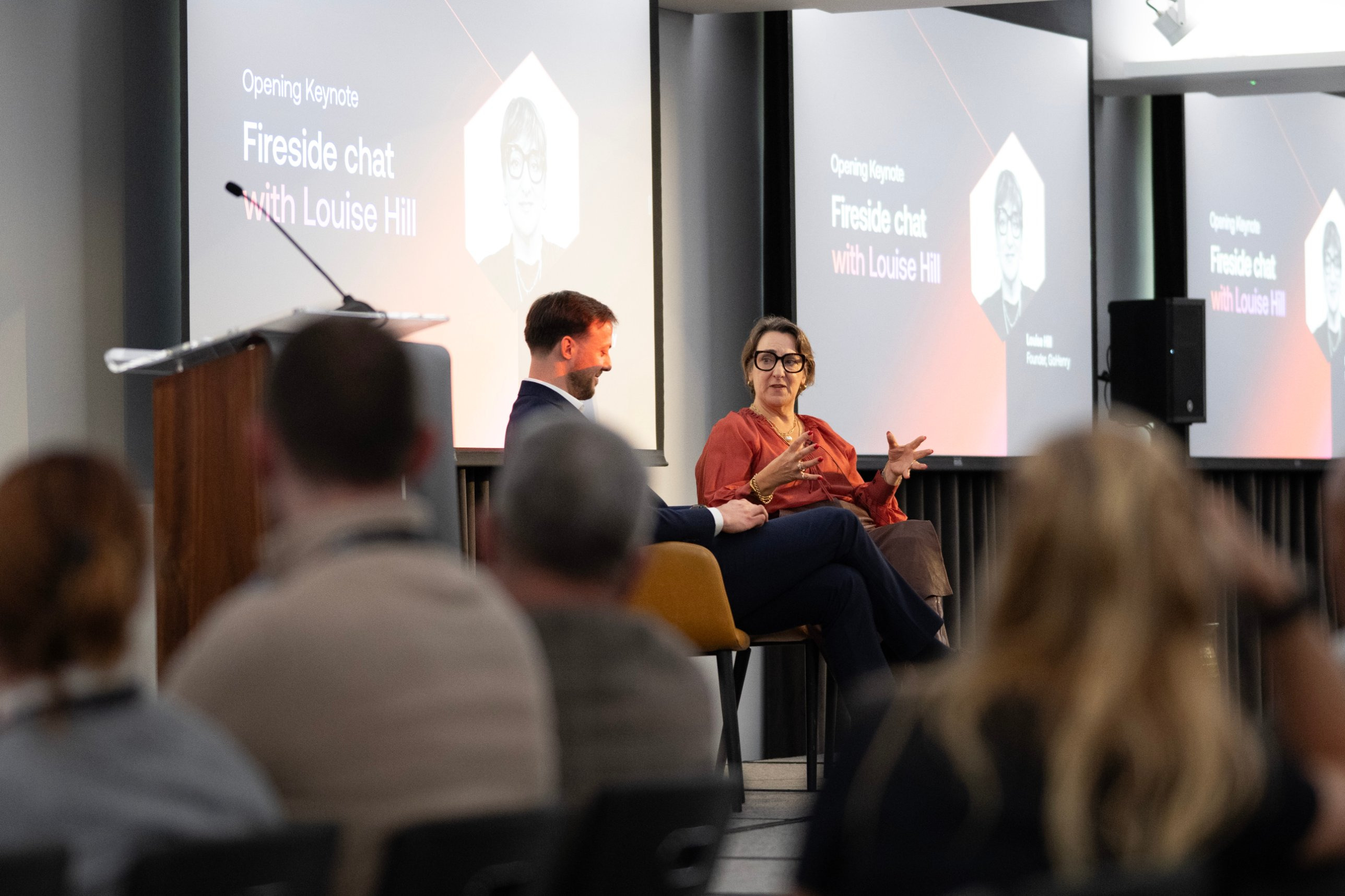
Equity as a hiring tool, then a retention tool
Like many early-stage companies, GoHenry couldn't compete on cash. Equity became an important part of how the company attracted people who believed in its potential, and later how it retained them as the company grew and the talent market became more competitive.
The session explored how equity plans can evolve as a company moves through different stages, from early hiring through to growth and major transactions.
Growth shares for a few, equity for everyone
When the company was around 100 people, GoHenry issued growth shares to senior leaders. Later, the company went broad-based, giving equity to everyone, including employees working in its contact centre. That led to a wider discussion about the role of ownership in company culture and the importance of helping employees understand what their equity means.
Two transactions, two very different conversations
The session also looked at GoHenry's experience of navigating two major transactions, and how the role of equity can change as a company and its ownership structure evolve.
One theme came through clearly – good equity communication matters just as much as the plan itself. Employees need to understand what they own, what it could be worth, and how changes to the company might affect them.
AI in equity compensation: what's allowed, what's smart, what's risky
Moderated by Sarah Beddoes, founder of Innovative Legal, this panel brought together Dexter Tang, Head of International Equity Administration at Databricks, Harry Borovick, General Counsel at Dust, and Darren Smith, Global Rewards Practice Leader at Vialto Partners, to explore where AI can add value in equity compensation, and where human judgement still matters most.
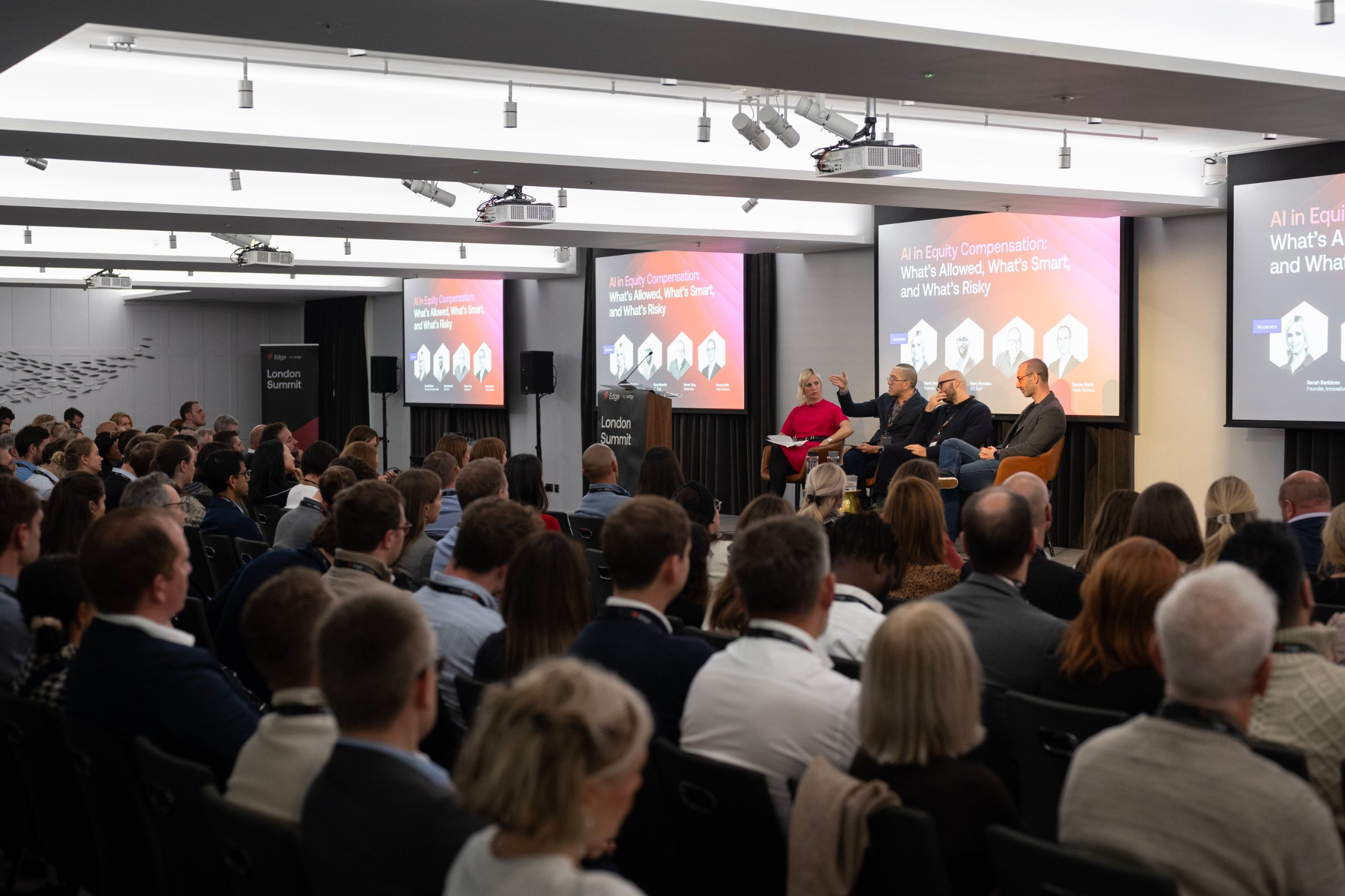
Where AI is genuinely useful
The discussion highlighted a growing number of practical applications for AI, from research and reporting to data analysis and everyday drafting.
For equity teams, the opportunity is to use technology to make information easier to work with and free up more time for the decisions that need experience and judgement.
Keeping people at the centre
The panel also explored the regulatory and governance questions that come with using AI in equity. Automation can be useful, but decisions that affect employees still need appropriate oversight, transparency and accountability.
That balance was a recurring theme throughout the discussion – AI can support the work, but people still need to own the decisions.
Building trust
Clear rules and consistent processes will become increasingly important as AI becomes part of more equity workflows. The panel highlighted the value of having defined frameworks, appropriate checks and clear communication with employees.
Used thoughtfully, AI has the potential to make equity processes more efficient while keeping the human judgement and accountability that employees expect.
Ledgy product spotlight
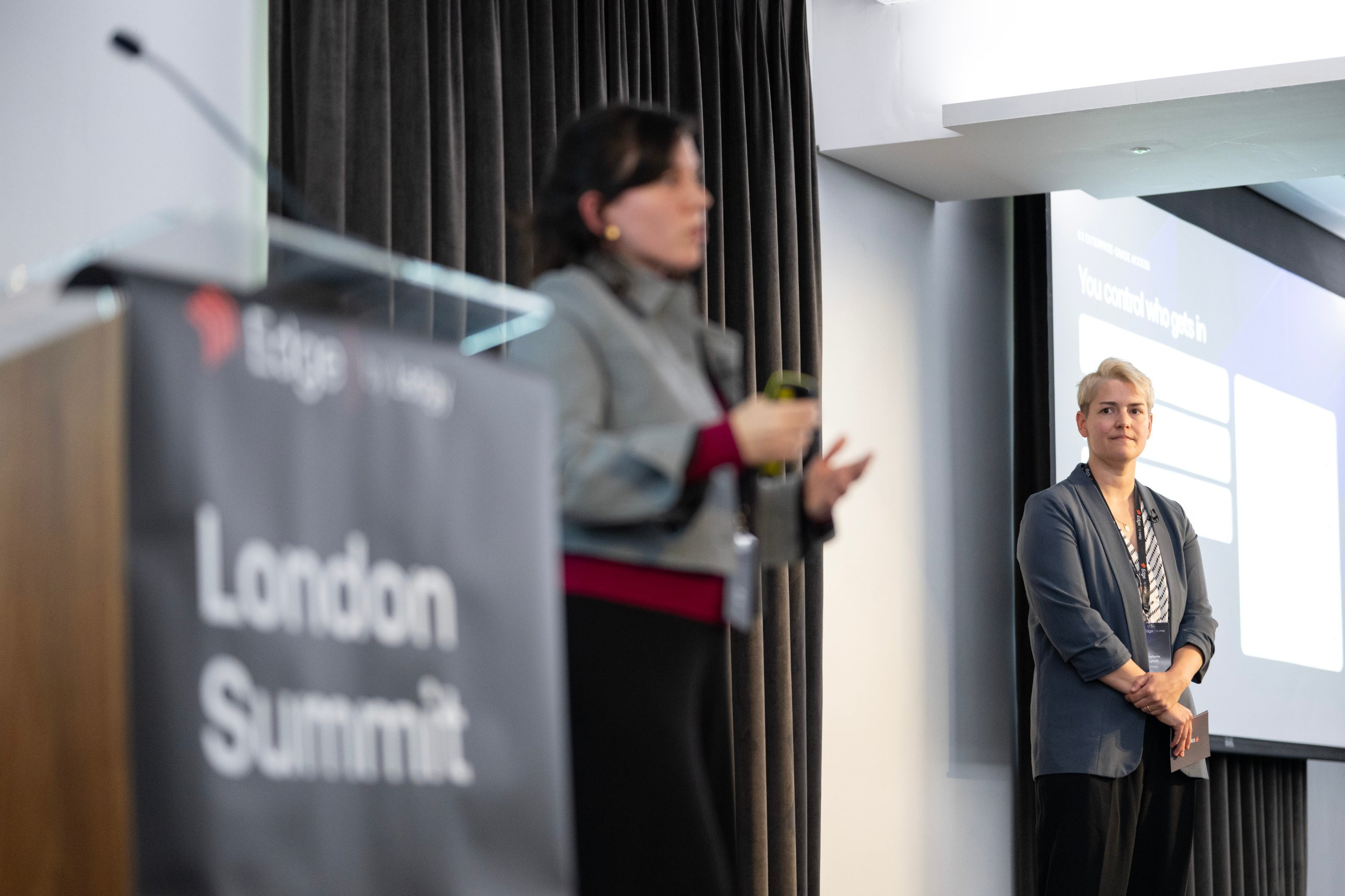
Angela Santin, Head of Engineering, and Steffi Lynch, VP of Product, both from Ledgy, took to the stage to showcase Ledgy’s product roadmap, including what we’ve shipped, and why it matters for equity teams.
Equity and compensation in one place
Approximately 1,300 companies now manage their equity on Ledgy, spanning more than 45 countries.
The latest addition to the platform is executive compensation, bringing these workflows onto the same platform as equity plans. It includes equity plans, covering options, RSUs and other share plans, alongside deferred compensation and carried interest.
Deferred compensation lets teams track pay that has been deferred and invested into real funds, from award through to payout. Carried interest gives teams a way to track carry across funds, from allocation to distribution.
AI that keeps people in control
We also launched Ledgy Agent and Ledgy MCP this year, which can complete equity administration tasks in a single request, such as stakeholder offboarding. Every action is shown to the user before it happens and requires approval before it is executed.
With Ledgy MCP, teams can connect Claude, Cursor, or ChatGPT to their live equity data and get answers directly from the information in Ledgy. Both Ledgy Agent and Ledgy MCP inherit the signed-in user’s exact permissions, so they cannot see or change more than that person’s role allows.
Together, these developments show how Ledgy is continuing to expand beyond equity management, while giving teams more ways to work with their data and automate parts of equity administration without giving up control.
Navigating take-private transactions
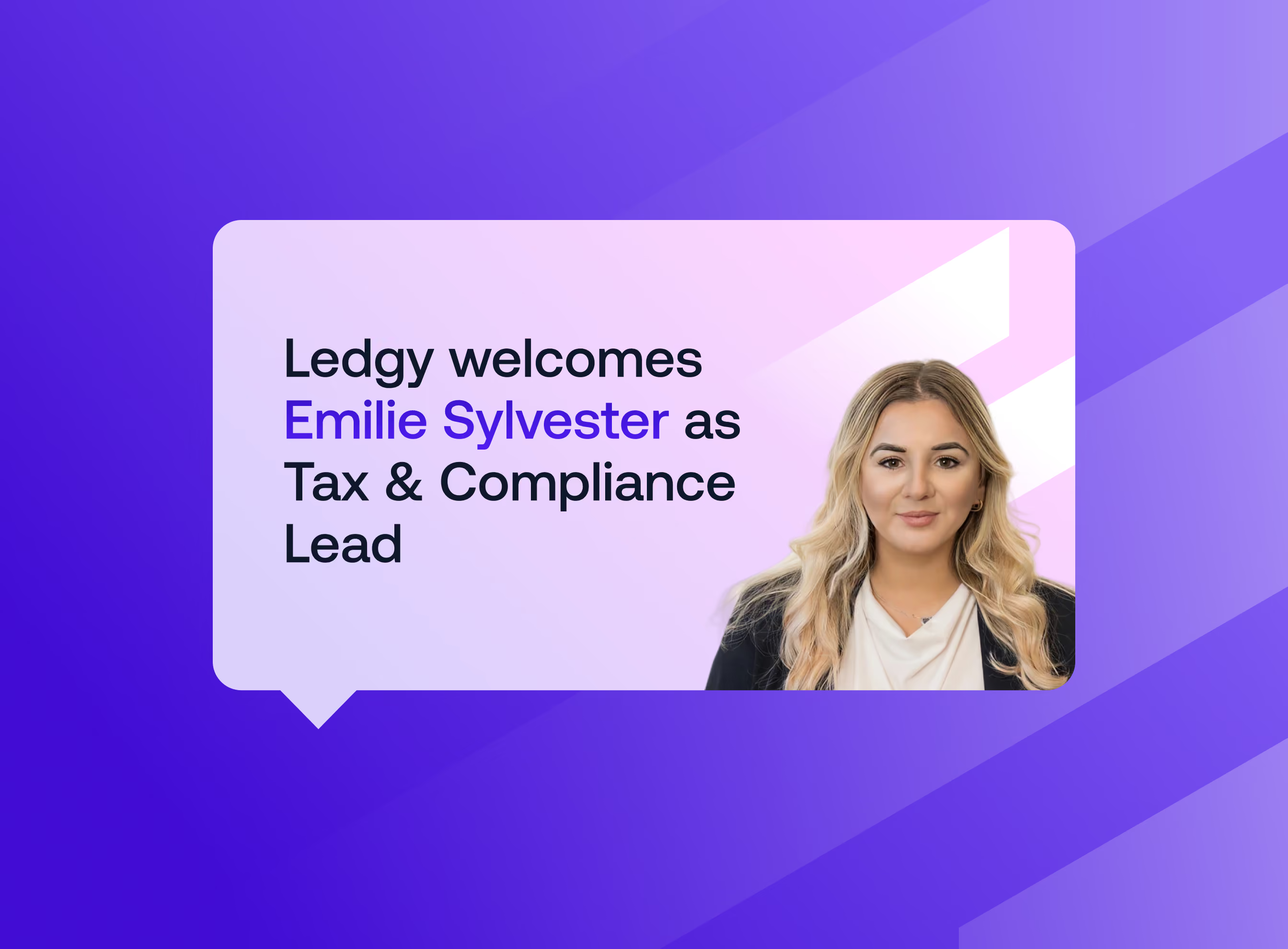
In the closing plenary, Emilie Sylvester, Tax and Compliance Lead (Counsel) at Ledgy, was joined by Shelley Ribbons, Share Plans and Payroll Director at Janus Henderson, and Mahesh Varia, partner at A&O Shearman, for a practical discussion about what happens to share plans when a public company goes private.
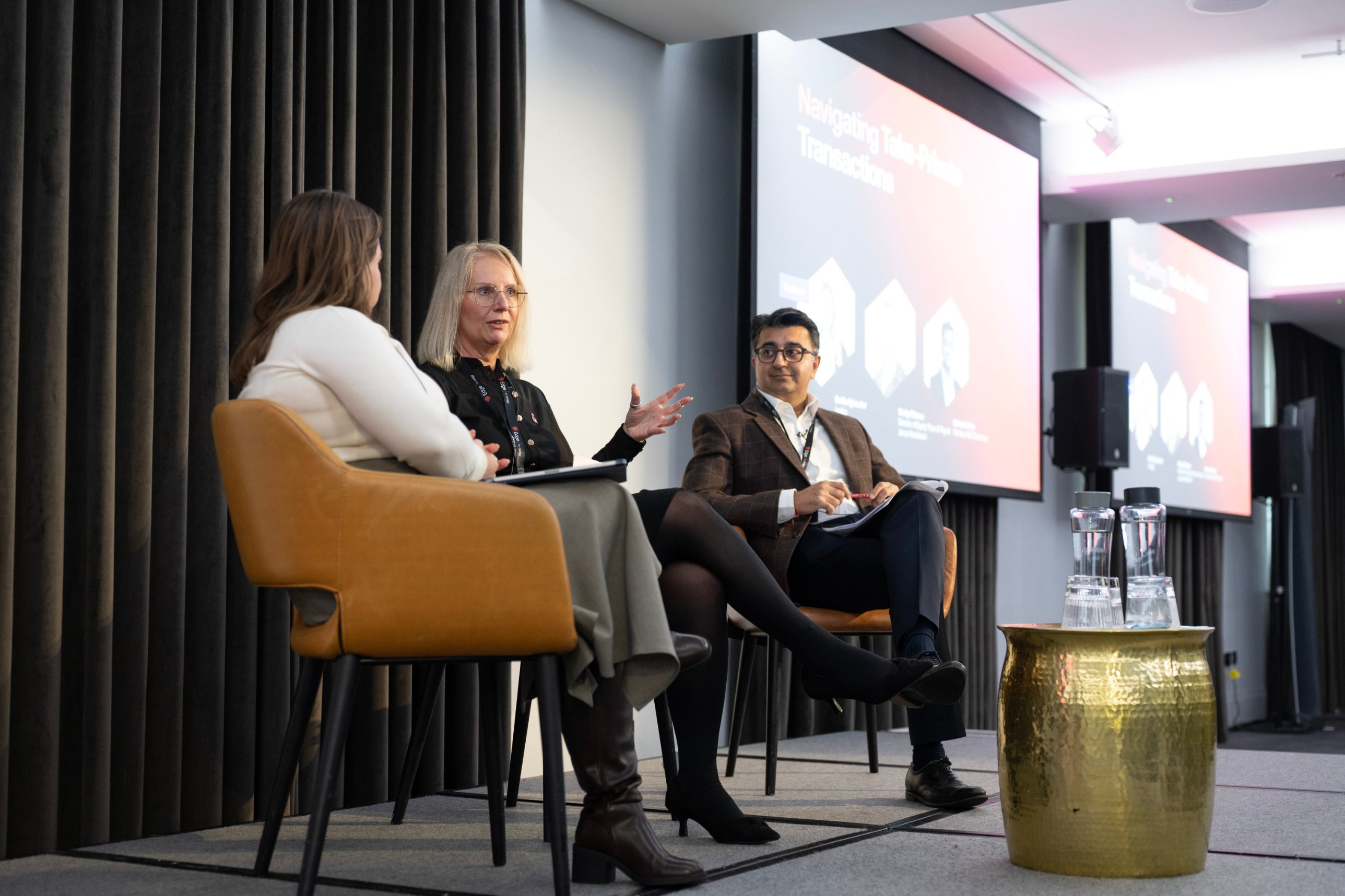
Why it matters
Take-private transactions can have a significant impact on employees and their share plans, often at a time when there is a lot of uncertainty. The session explored some of the key considerations for companies and share plan teams preparing for a transaction.
The Janus Henderson deal
Using Janus Henderson's recent transaction as a case study, the panel looked at the different considerations involved in managing share plans through a take-private. Topics included data preparation, plan treatment, tax-advantaged plans, and the importance of being ready to respond as a transaction develops.
Communicating through uncertainty
Employee communication was another key theme. Different employee groups can be affected in very different ways, making clear and timely communication particularly important.
The discussion highlighted the value of plain English, regular updates, FAQs and giving employees opportunities to ask questions as circumstances change.
Equity after the deal
The conversation also looked beyond the transaction itself, exploring how companies can continue to build an ownership culture after going private and how equity can remain part of the employee experience.
The overarching message – good preparation can make a significant difference. Thinking about change-of-control provisions, communication, and plan design before a transaction happens puts companies in a much stronger position when the time comes.
Edge breakout sessions
Running alongside the main stage, the breakout sessions gave attendees a chance to go deeper into some of the topics shaping equity in 2026, across private, listed, and AIM companies.
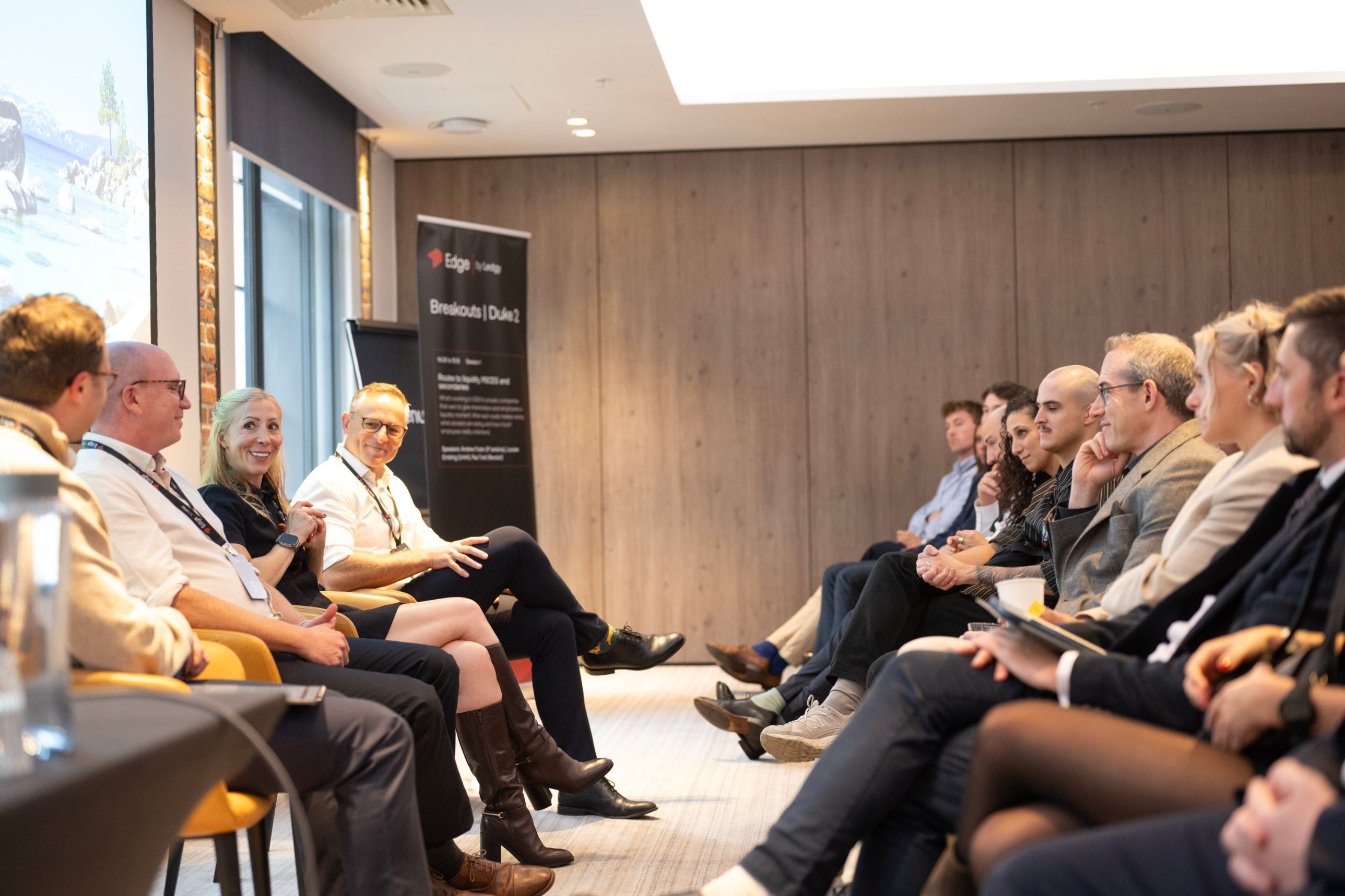
Conversations around liquidity and ownership looked at how private companies can give shareholders and employees opportunities to access value, from PISCES to secondaries. Another session explored the relationship between gender diversity, VC and equity, drawing on findings from Ledgy’s State of Equity 2026 report and looking at where equity can help close the ownership gap.
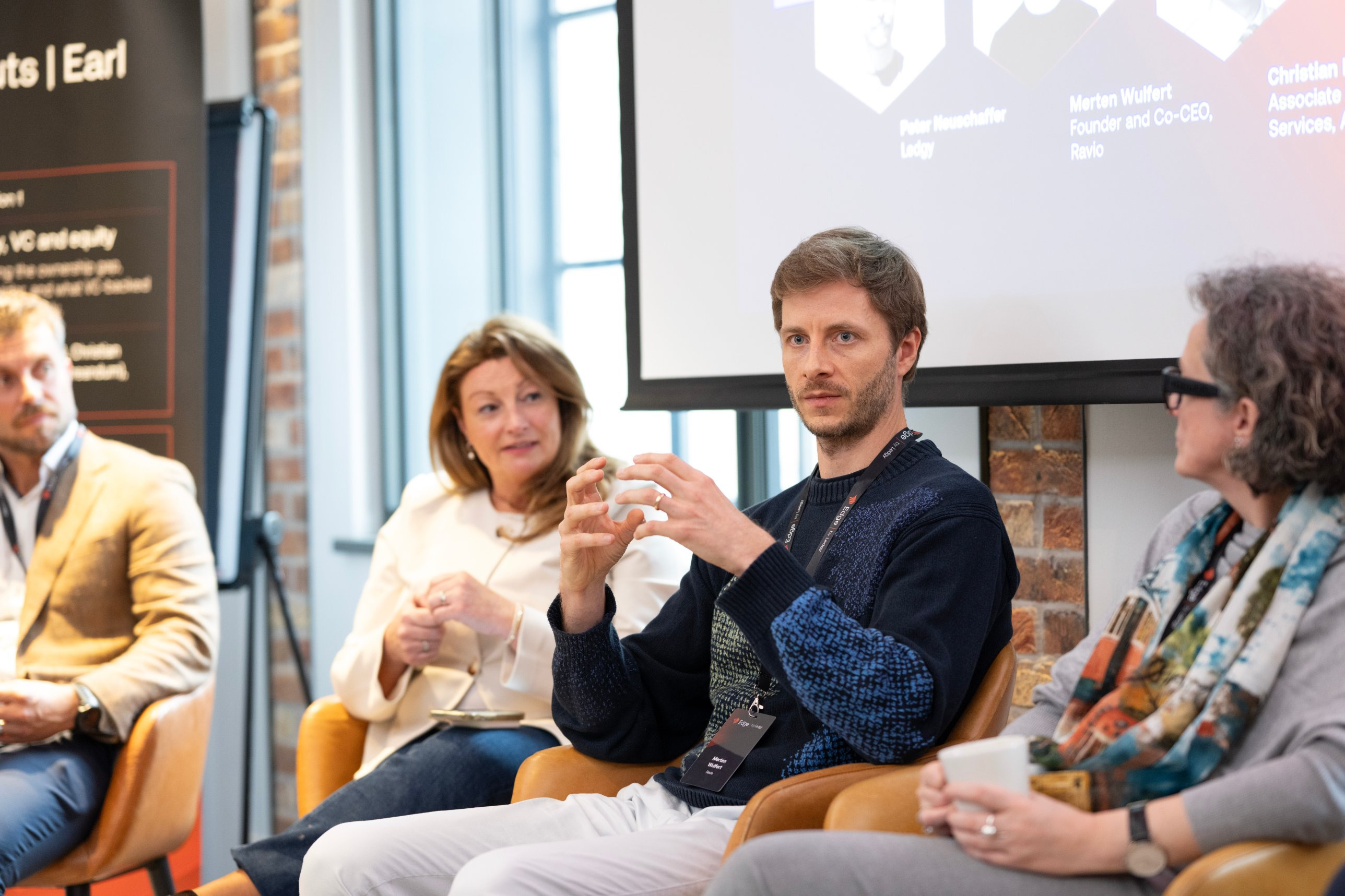
For listed companies, sessions covered the latest incentive design trends, including AGM voting, directors’ remuneration and investor expectations. There was also a dedicated discussion for AIM companies, looking at the issues facing the market in 2026, from rule changes and liquidity to adviser relationships.
For private companies, the focus turned to equity usage and plan design, with discussion around how growth-stage companies are designing and communicating their plans and getting more value from equity.
Alongside these broader market discussions, two sessions gave attendees a closer look at Ledgy’s product. The executive compensation session explored the changing landscape alongside a high-level look at Ledgy’s executive compensation and deferred compensation capabilities, while the AI session offered a practical look at how AI is being used within the Ledgy platform and how customers are applying these tools in their own workflows.
The “Ledgendary” afterparty

Once the sessions wrapped up, the conversations carried on at our “Ledgendary” afterparty. After a packed afternoon, it was great to see the room buzzing with people catching up, meeting new faces, and carrying on the conversations from the day.
With drinks flowing, canapés, and plenty of people still deep in conversation, the energy carried on well into the evening. It was the perfect way to round off such a brilliant day at Edge.
Until next time
A huge thank you to every speaker, partner, and attendee who made Edge London what it was. Across the main stage and the breakouts, one thing came through clearly: equity works best when it is well designed up front, explained in plain language, and run with the right mix of technology and human judgement.
We already can’t wait for next year and we hope to see you there! 💜
Want to see how Ledgy can help you give employees a better equity experience? Speak with one of our Ledgy experts today.

Frequently Asked Questions
What is Edge: Make Equity Work Summit?


What were the main topics discussed at Edge London 2026?
How can AI be used in equity compensation?
What happens to share plans when a company goes private?
What new products did Ledgy showcase at Edge London 2026?
What topics were covered in the Edge London breakout sessions?

Stay up to date! 🎉
Subscribe to our newsletter and receive the latest insights on the equity world
Heading
Lorem ipsum dolor sit amet, consectetur adipiscing elit. Suspendisse varius enim in eros elementum tristique. Duis cursus, mi quis viverra ornare, eros dolor interdum nulla, ut commodo diam libero vitae erat. Aenean faucibus nibh et justo cursus id rutrum lorem imperdiet. Nunc ut sem vitae risus tristique posuere.
Button Text